What Affects Delivery Time
Understanding the various factors that influence how quickly your pizza arrives.
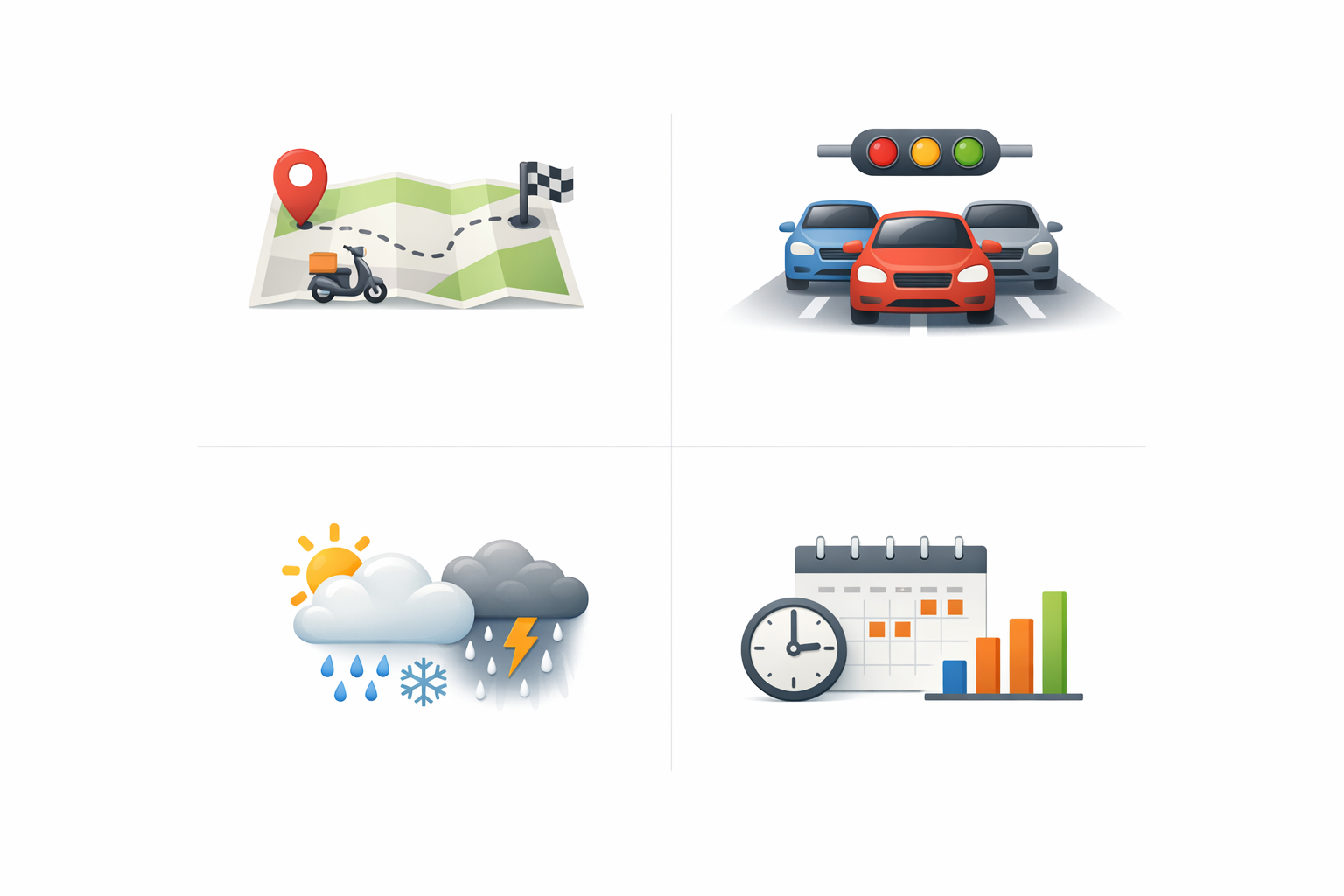
Understanding the various factors that influence how quickly your pizza arrives.
Multiple factors work together to determine delivery times. Understanding these variables helps set realistic expectations and appreciate the complexity of delivery logistics.
The physical distance between restaurant and customer is a primary factor in delivery duration.

Most pizza delivery services operate within defined geographic zones. These zones are established based on travel time and distance to ensure quality and efficiency.
Longer distances naturally require more travel time. Services balance distance with the need to maintain food quality during transport.
Even with distance constraints, route planning helps minimize travel time by selecting the most efficient paths between locations.
Defined delivery areas ensure service quality
Distance-based delivery time calculations
Maximum distance preserves food temperature
Order volume fluctuates throughout the day and week, significantly impacting delivery times.
Evening meal times, typically between 5 PM and 9 PM, experience the highest order volumes. During these periods, kitchen capacity and delivery availability are stretched to their limits.
Friday and Saturday nights are traditionally the busiest periods for pizza delivery. Increased demand during these times naturally extends preparation and delivery times.
Major holidays and sporting events create spikes in demand. These periods require additional staffing and resources to meet increased order volumes.
Mid-morning to early afternoon
Late afternoon to early evening
Evening meal times
Late evening to night
Road traffic patterns significantly impact delivery efficiency and timing.
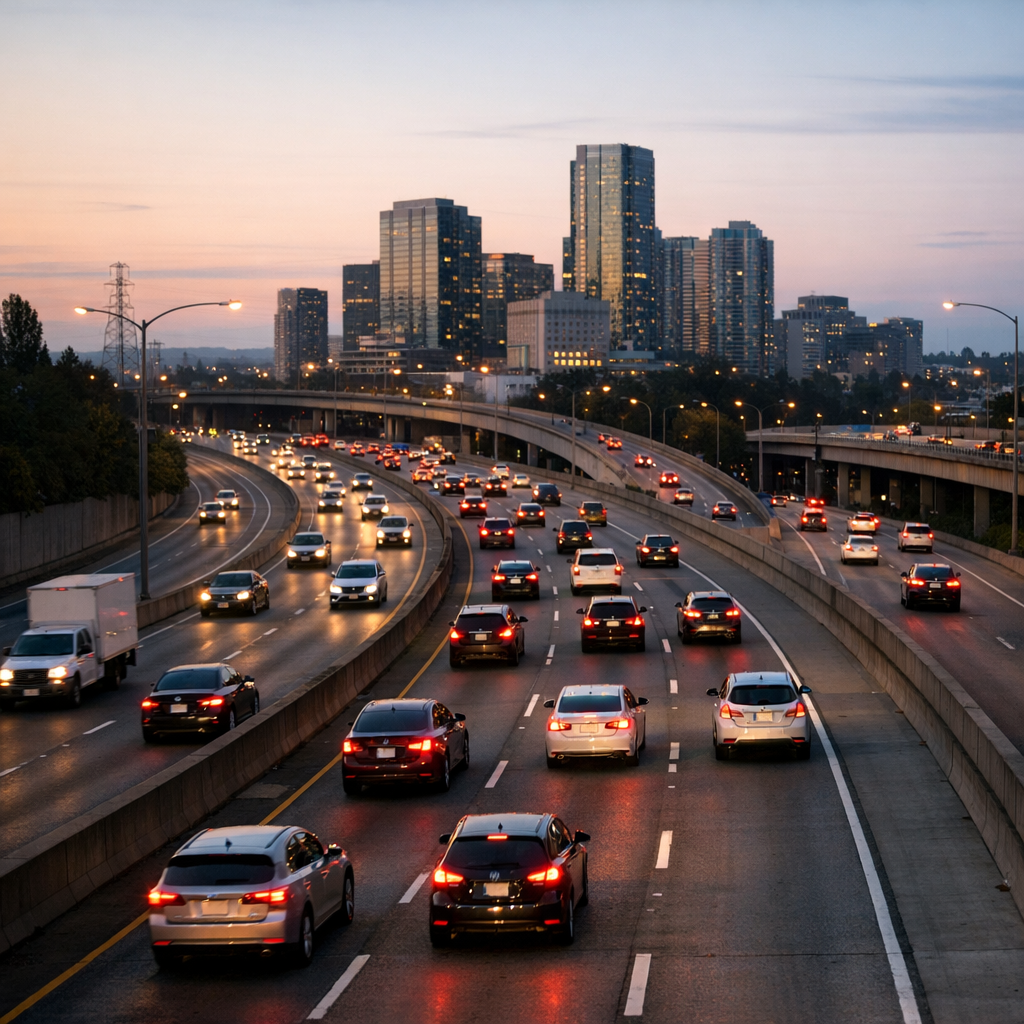
Standard rush hours, typically 7-9 AM and 4-6 PM on weekdays, create congestion that slows delivery vehicles and extends travel times.
Ongoing road work and construction projects can create detours and delays. Delivery routes must be adjusted to navigate around these obstacles.
Concerts, sports games, and community events can cause localized traffic congestion that affects delivery times in specific areas.
Alternative routes selected when needed
Delivery estimates account for traffic
Navigation systems adjust for conditions
Adverse weather can affect both preparation speed and delivery efficiency.
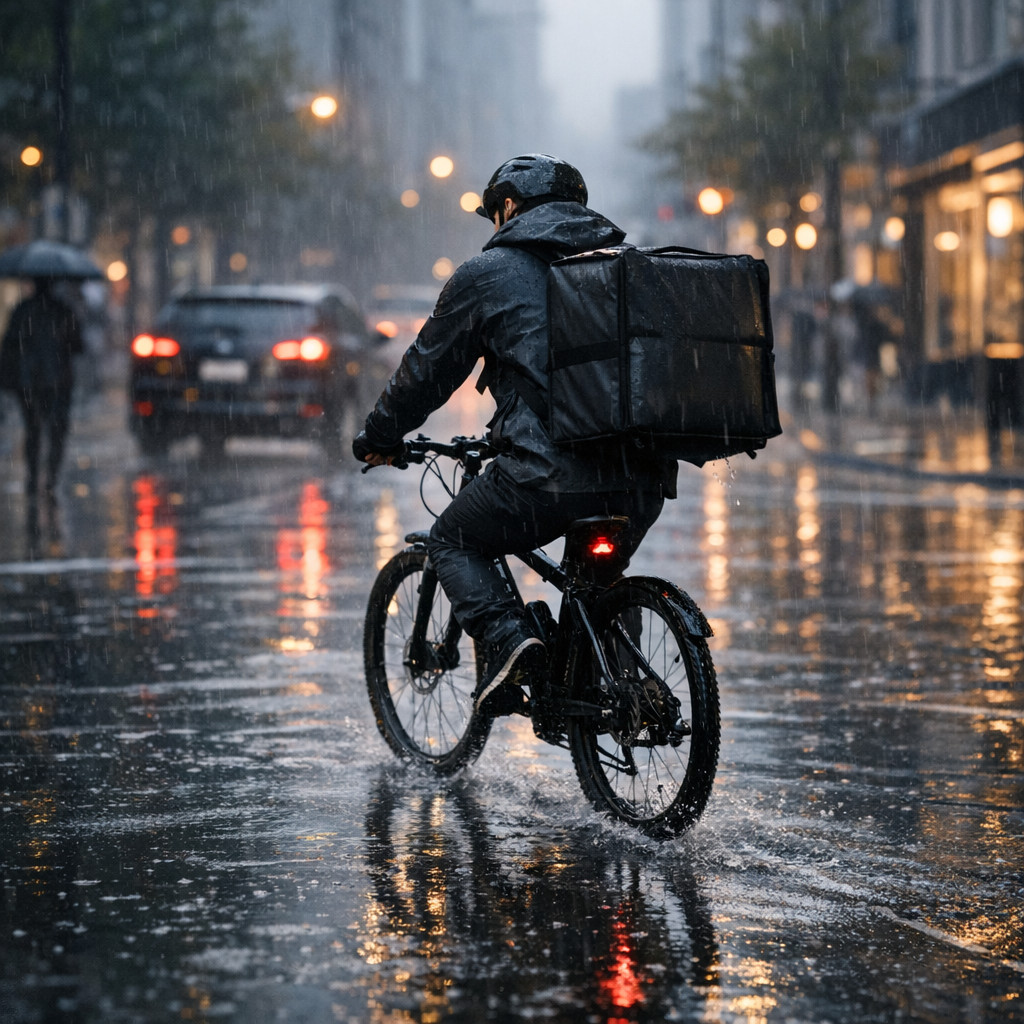
Precipitation creates hazardous driving conditions that require slower, more careful navigation. This naturally extends delivery times for safety reasons.
Both extreme heat and cold can affect delivery operations. Hot weather may require additional precautions for food safety, while cold weather can impact vehicle performance.
Severe weather events including high winds and storms may temporarily suspend delivery operations or significantly delay deliveries until conditions improve.
Delivery personnel safety prioritized
Slower travel in adverse conditions
Delivery estimates adjusted accordingly
Insulated packaging protects food
Delivery times are influenced by multiple interconnected factors. While services strive for consistency, these variables naturally create fluctuations in delivery duration.
Understanding these factors helps set realistic expectations for delivery times, especially during peak periods or adverse conditions.
Delivery services continuously adapt to changing conditions, adjusting routes, staffing, and operations to maintain efficiency.
Despite time pressures, maintaining food quality and safety remains the top priority throughout the delivery process.